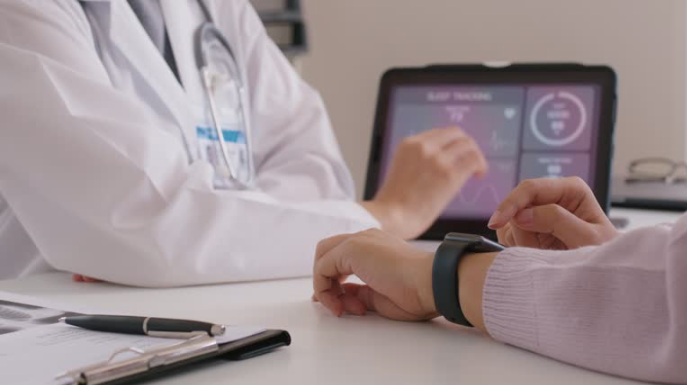
Remote Patient Monitoring (RPM) is transforming healthcare by leveraging technology to track patient health remotely. Wearable devices and smart health applications collect vital data in real-time, allowing patients to take control of their health from home. This shift enhances communication with healthcare providers and supports proactive interventions. However, challenges remain in implementation and technology integration. Understanding these complexities can shed light on the future trajectory of RPM in healthcare.
The Rise of Remote Patient Monitoring in Healthcare
As healthcare systems increasingly embrace technological advancements, the rise of remote patient monitoring (RPM) has become a transformative force in patient care.
This innovative approach enhances virtual care, allowing patients to engage actively in their health management from home.
Key Technologies Driving RPM Solutions
The effectiveness of remote patient monitoring is largely driven by various key technologies that enhance its functionality and accessibility.
Wearable devices, such as smartwatches and health trackers, facilitate real-time health data collection, empowering patients to take charge of their wellness.
Simultaneously, robust data security measures ensure that sensitive information remains protected, fostering trust and encouraging widespread adoption of RPM solutions in healthcare settings.
Benefits of Remote Patient Monitoring for Patients and Providers
Although remote patient monitoring (RPM) presents various challenges, its benefits for both patients and healthcare providers are substantial.
RPM enhances patient engagement by allowing individuals to actively participate in their health management. It also enables providers to collect real-time data, improving decision-making.
Furthermore, advancements in data security ensure that sensitive health information remains protected, fostering trust in this innovative healthcare model.
See also: randomgiantnet
Challenges and Future Trends in Remote Patient Monitoring
While remote patient monitoring offers numerous advantages, it also faces significant challenges that must be addressed for its continued success.
Data security concerns, including potential breaches of sensitive information, pose a critical barrier.
Additionally, regulatory hurdles complicate the implementation of these technologies, often delaying their integration into healthcare systems.
Addressing these issues will be essential for the future effectiveness and adoption of remote patient monitoring.
Conclusion
As a bridge connecting patients and providers, technology in remote patient monitoring illuminates the path toward proactive healthcare. This digital lighthouse guides individuals through the complexities of their health journeys, fostering engagement and empowering self-management. Yet, like any beacon, challenges lie in maintaining data security and privacy. As the landscape of RPM evolves, it holds the promise of transforming healthcare into a more accessible, efficient, and patient-centered realm, where every heartbeat is monitored and every voice heard.