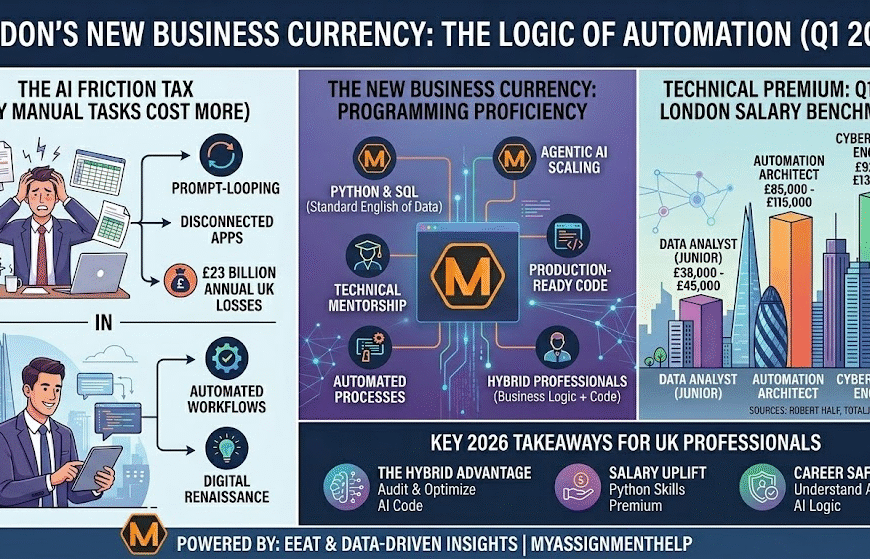
Technology plays a crucial role in the digital transformation of businesses. It reshapes traditional operations, enhancing efficiency and adaptability. Artificial intelligence, cloud computing, and big data analytics emerge as key drivers in this evolution. Organizations that leverage these tools can streamline processes and gain insights into customer behavior. However, successful implementation requires strategic planning and an understanding of potential challenges. What specific strategies can businesses adopt to navigate this complex landscape effectively?
The Impact of Artificial Intelligence on Business Processes
As businesses increasingly embrace digital transformation, the impact of artificial intelligence (AI) on business processes becomes increasingly evident.
AI automation streamlines operations, reducing human error and boosting productivity. Furthermore, machine learning integration enables organizations to analyze vast data sets, facilitating informed decision-making.
This synergy not only enhances efficiency but also empowers businesses to adapt swiftly to changing market dynamics, fostering greater autonomy and innovation.
Leveraging Cloud Computing for Enhanced Collaboration
Cloud computing has revolutionized the way organizations collaborate, offering a range of tools that enhance communication and teamwork across geographical barriers.
By providing remote access to shared resources, teams can work seamlessly, regardless of location.
Additionally, advancements in cloud security ensure that sensitive information remains protected, fostering trust and enabling businesses to explore innovative collaborative solutions without compromising data integrity.
See also: Technology and Sustainable Development Goals
Utilizing Big Data to Drive Customer Insights
While many businesses collect vast amounts of data, effectively harnessing this information to drive customer insights often remains a challenge.
By employing customer segmentation techniques and predictive analytics, organizations can uncover patterns that enhance understanding of consumer behavior. This enables targeted marketing strategies, fostering deeper connections with customers.
Ultimately, leveraging big data empowers businesses to make informed decisions that align with customer preferences and needs.
Strategies for Successful Digital Transformation Implementation
Successful digital transformation implementation requires a comprehensive strategy that balances technology adoption with organizational change.
Effective change management practices are essential, ensuring that employees adapt to new processes and tools.
Moreover, robust stakeholder engagement fosters collaboration and support throughout the organization.
Conclusion
In conclusion, the digital transformation of businesses is a multifaceted journey that intertwines artificial intelligence, cloud computing, and big data analytics. By adopting these technologies, organizations can not only streamline operations but also cultivate a culture of innovation and responsiveness. As the landscape evolves, companies must embrace this transformation, ensuring they remain ahead of the curve. In the race for competitive advantage, those who fail to adapt may find themselves left in the dust, struggling to catch up.